Lens-Based Vision Correction

Refractive Lens Exchange (RLE) in Malaysia

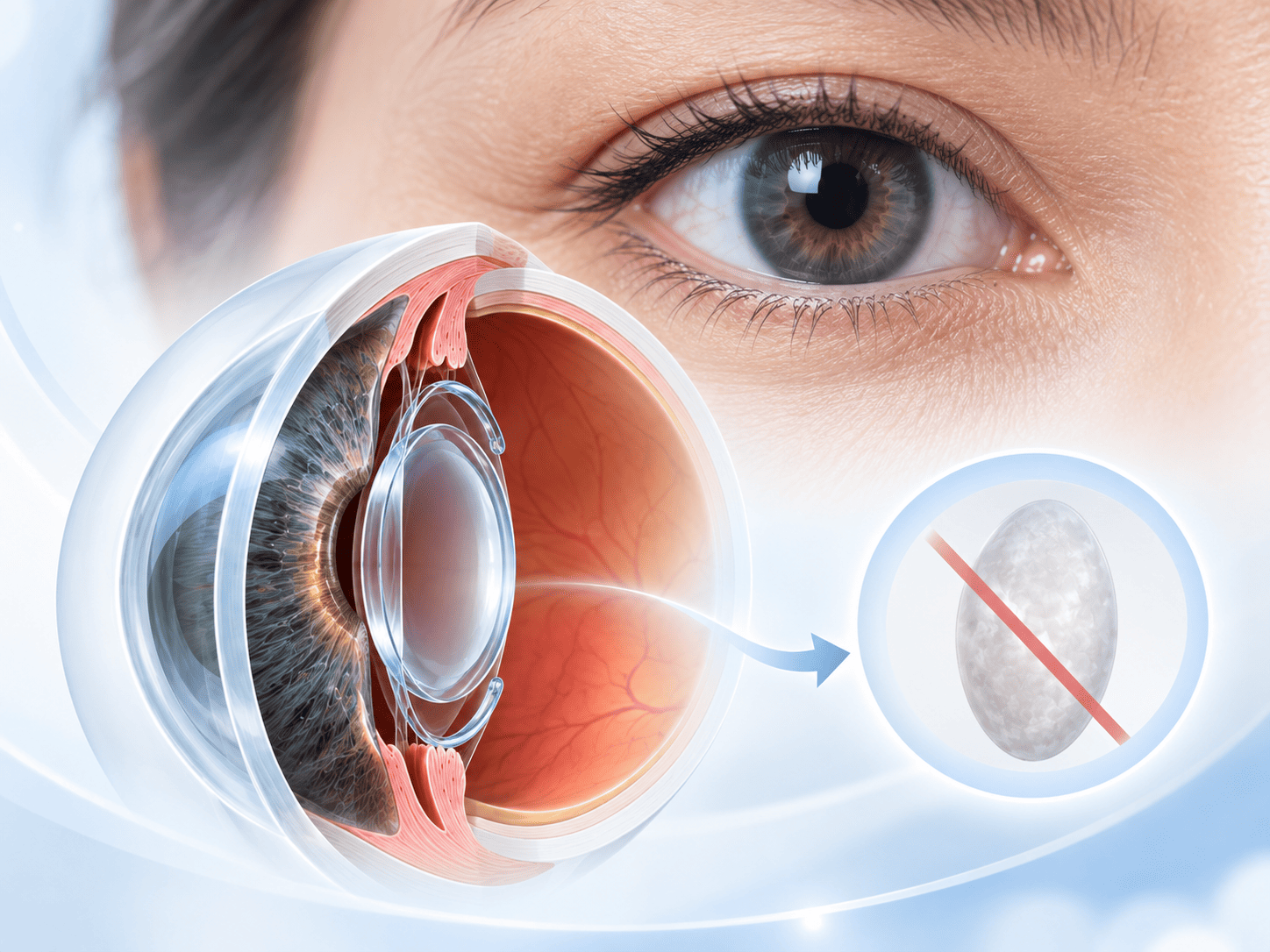
Refractive Lens Exchange (RLE) replaces the eye’s natural clear lens with an artificial intraocular lens (IOL). It may be considered for suitable adults with age-related reading difficulty or those seeking a lens-based alternative to laser eye surgery.

What Is Refractive Lens Exchange?

RLE is a lens replacement procedure that corrects refractive error by replacing the eye’s natural clear lens with an intraocular lens (IOL).

How Refractive Lens Exchange Works

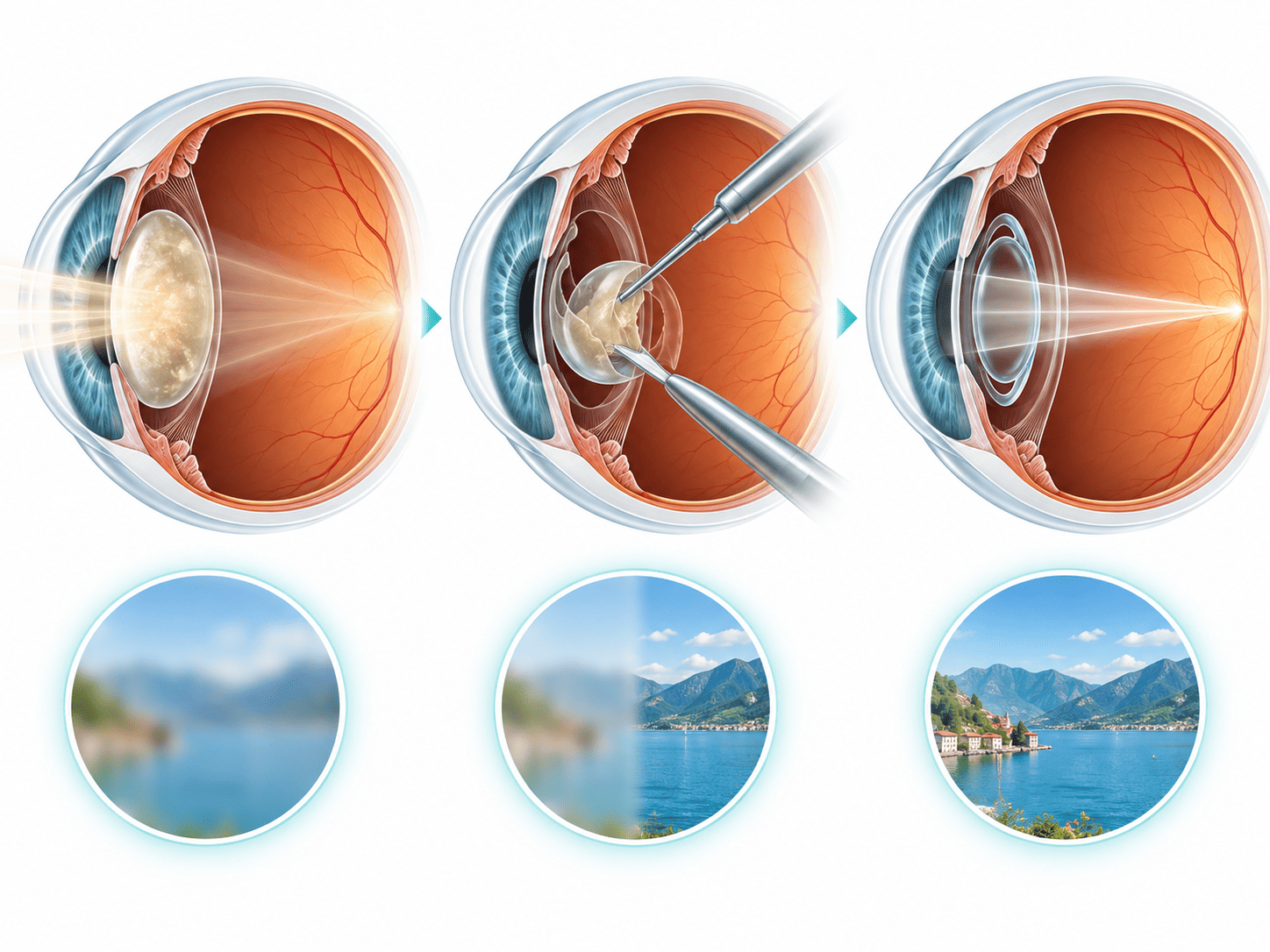
During RLE, the natural clear lens is removed and replaced with an artificial IOL selected according to your eye measurements and visual needs.

The surgical technique is very similar to cataract surgery. The key difference is that RLE replaces a clear natural lens, while cataract surgery replaces a lens that has become cloudy.

Why People Consider Refractive Lens Exchange

RLE is often considered when age-related vision changes begin to affect near vision, spectacle use and everyday convenience.

Reading Small Print Is Becoming Harder

Small text on menus, labels, medicine packets or phones may become harder to read clearly as the natural lens loses focusing flexibility with age.

You Keep Reaching for Reading Glasses

Reading glasses may become necessary more often for phones, books, menus and other near-vision activities.

Travel and On-the-Go Tasks Feel More Difficult

Checking your phone, reading signs, viewing departure information and handling documents while travelling can become less convenient as age-related focusing changes progress.

Switching between Near and Far Vision Becomes Inconvenient

Moving between screens, reading, driving and other activities may mean repeatedly putting glasses on and taking them off.

Age-Related Vision Changes Are Affecting Daily Life

Changes in the natural lens may start affecting work, shopping, hobbies and other routine activities even before cataracts develop.

You Are Looking Beyond Laser Eye Surgery

Adults who are older or less suitable for corneal laser correction may want to explore a lens-based vision correction option.

Benefits of Refractive Lens Exchange in Everyday Life

For suitable patients, RLE may reduce dependence on glasses while also addressing age-related changes in the natural lens.

Less Dependence on Glasses for Near and Far Vision

Depending on the IOL selected, suitable patients may rely less on glasses for everyday near and distance activities.

Greater Independence in Daily Activities

Reading, using a phone, working, shopping and travelling may feel more convenient with less dependence on spectacles.

Addresses Age-Related Lens Changes

RLE replaces the ageing natural lens with an intraocular lens as part of a long-term vision correction approach.

No Future Cataract in the Natural Lens

Because the natural lens is removed during RLE, a cataract cannot develop in it later.

Day-Care Procedure

RLE is generally performed as a day-care procedure, allowing patients to return home after the required post-treatment checks.

Recovery Begins Soon After Treatment

Some patients may notice visual improvement relatively early, although healing and visual stabilisation vary between individuals.

Who May Be Suitable for Refractive Lens Exchange?

RLE may be considered for suitable adults with age-related near-vision changes, stable spectacle power and healthy eyes after a comprehensive ophthalmologist assessment.

Adults in Their 40s, 50s and Beyond

RLE is often considered in adults whose near vision is changing with age, particularly when presbyopia or lens-related changes become more noticeable.

Experiencing Age-Related Reading Difficulty

People who increasingly struggle with reading, phones or close-up tasks because of presbyopia may be assessed for RLE.

Stable Spectacle Prescription

IKONIK recommends that your spectacle power has been stable for at least two years before RLE is considered.

Healthy Eyes

The cornea, retina, optic nerve, eye pressure and other eye structures need to be assessed before treatment is recommended.

When Further Assessment May Be Needed Before Refractive Lens Exchange

Certain eye conditions, unstable measurements or previous medical history may affect whether RLE is suitable or whether further assessment is needed before treatment.

Active Eye Disease or Inflammation

Active infection, inflammation or other uncontrolled eye conditions usually need to be treated before elective lens surgery is considered.

Retinal or Macular Concerns

Retinal disease, macular conditions or a higher retinal risk may require additional assessment before lens replacement surgery.

Unstable Prescription

If your spectacle power is still changing, your ophthalmologist may recommend waiting or monitoring before proceeding.

Medical History or Previous Eye Surgery

Previous eye procedures, medical conditions and medications may influence surgical planning and need to be reviewed individually.
Assessment may include prescription stability, corneal health, eye pressure, retinal and optic nerve health, ocular biometry and measurements required for IOL power calculation.
Call UsCall UsEmail UsEmail UsEnquiry NowEnquiry Now