SPECIALIST VISION CORRECTION
Implantable Contact Lens in Malaysia
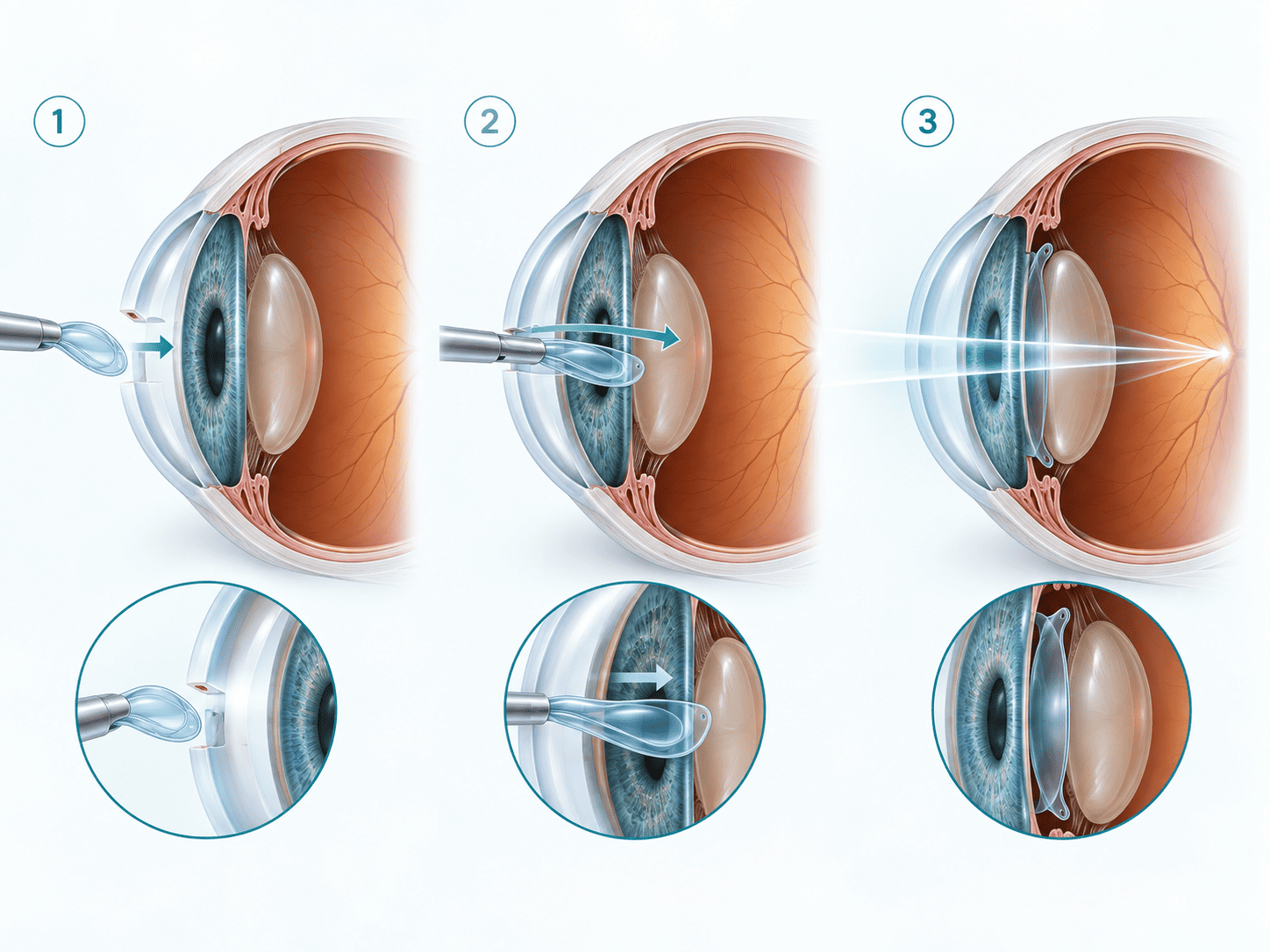
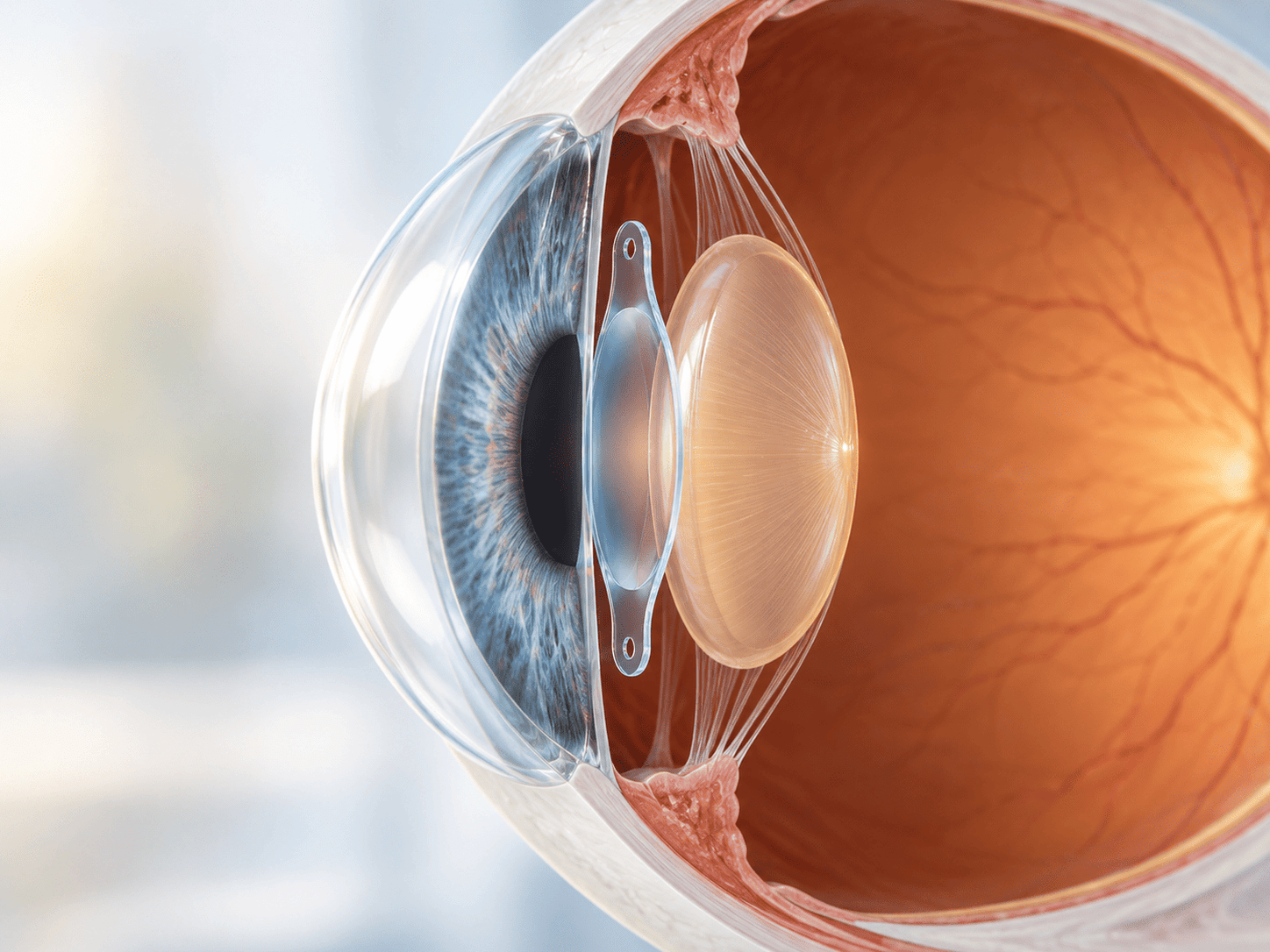
Implantable Contact Lens surgery is a vision-correction option where a lens is placed inside the eye. At IKONIK, this treatment is performed using an Implantable Phakic Contact Lens (IPCL), which is designed to correct refractive error while your natural crystalline lens remains in place.
What Is an Implantable Contact Lens?
An Implantable Contact Lens is a lens placed inside the eye to correct refractive error. At IKONIK, the treatment uses an Implantable Phakic Contact Lens (IPCL), a phakic lens, which means your natural crystalline lens remains in place.
How IKONIK’s Implantable Phakic Contact Lens Works
Instead of reshaping the cornea, IKONIK’s Implantable Contact Lens treatment places a specially selected phakic lens inside the eye, in front of the natural lens, to help focus light more accurately.
This makes Implantable Contact Lens surgery a potential option for people with very high myopia, high astigmatism or corneal characteristics that may make laser eye surgery unsuitable.
Why People Consider Implantable Contact Lens Surgery
Implantable Contact Lens surgery is often considered when the prescription is high, the cornea is not ideal for laser treatment, or a patient wants another long-term vision-correction option.

Very High Myopia

High Astigmatism
Patients with significant astigmatism may need a customised phakic lens plan to correct blurred or distorted vision.
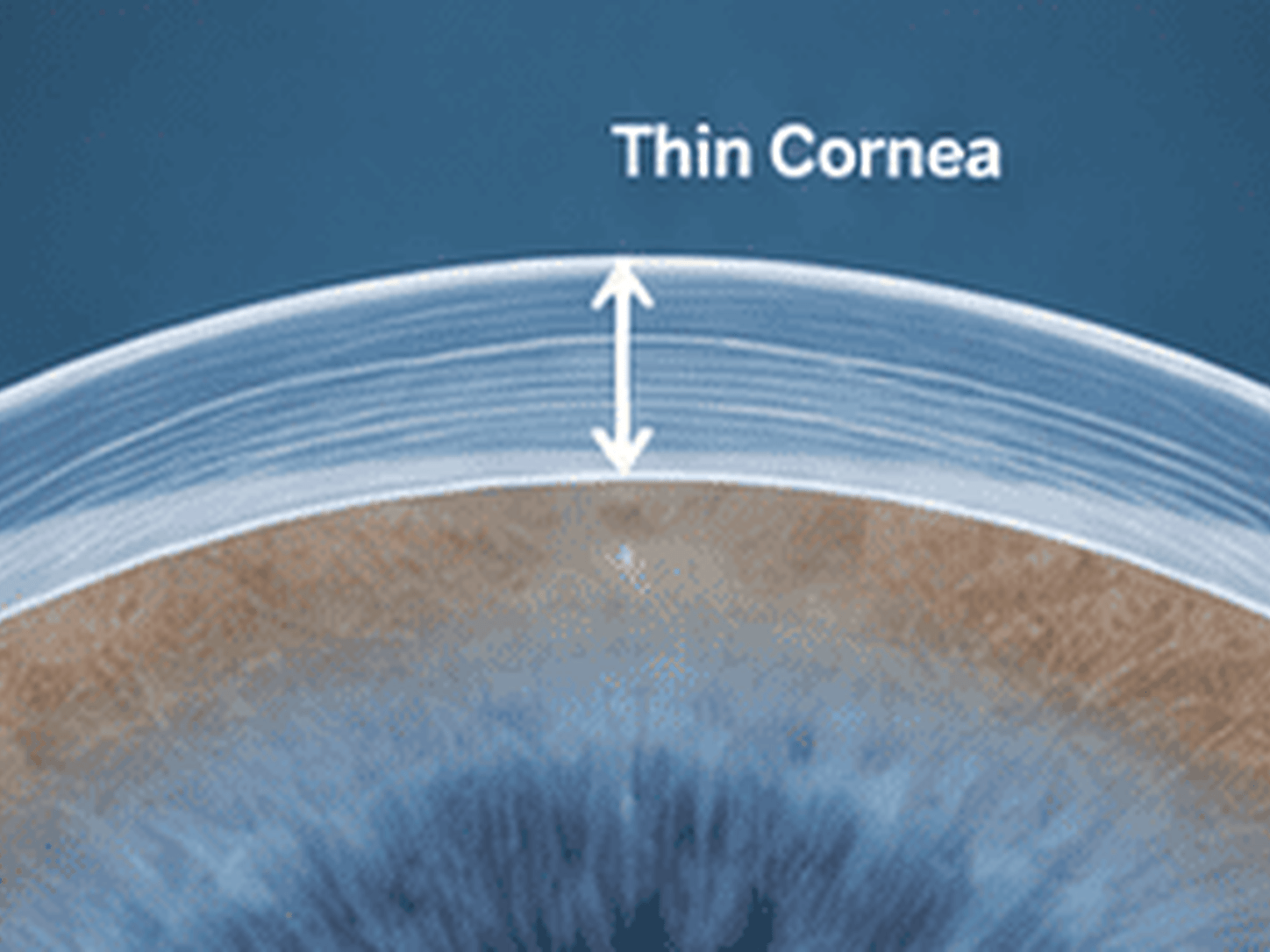
Thin Corneas
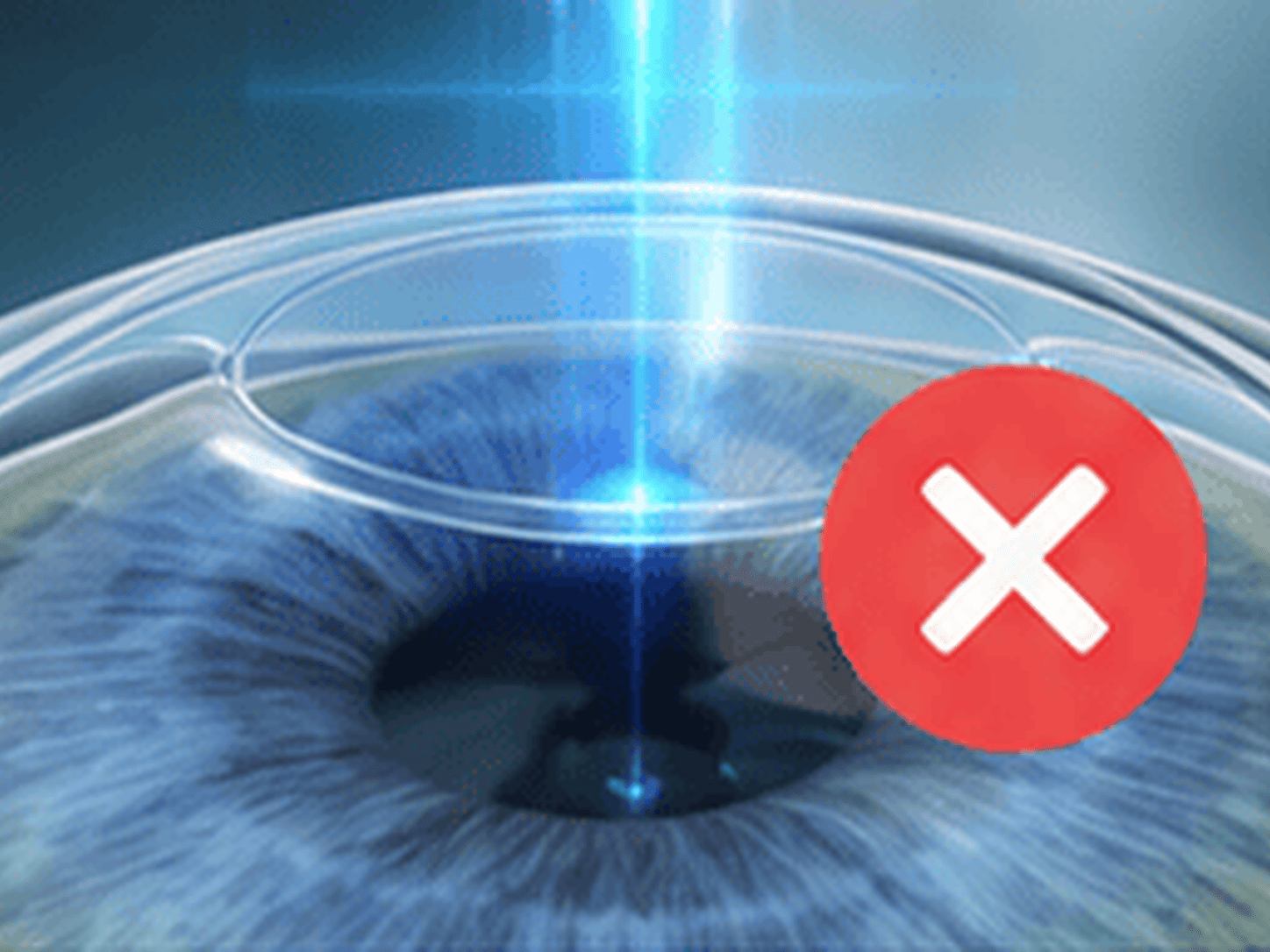
Not Suitable for LASIK
Corneal shape, thickness or other measurements may make LASIK unsuitable even when the prescription itself could otherwise be corrected.

Strong Prescription Glasses
Very high prescriptions can mean thick, heavy lenses and visual distortion at the edges of spectacles, prompting some patients to explore an implanted lens option.
Prefer to Preserve the Cornea & Natural Lens
Benefits of Implantable Contact Lens Surgery in Everyday Life
For suitable patients, Implantable Contact Lens surgery may reduce reliance on glasses or conventional contact lenses. At IKONIK, the treatment uses an Implantable Phakic Contact Lens (IPCL), and your natural lens remains in place.

Less Dependence on Glasses
Clearer unaided vision may make everyday routines more convenient and reduce the need to rely on spectacles throughout the day.

More Freedom for Sports & Outdoor Activities

More Comfortable Daily Vision
Suitable patients may experience clearer vision for work, commuting and other day-to-day activities.

More Freedom in Daily Activities

Less Daily Contact Lens Hassle
IPCL can reduce the need to insert, remove and maintain conventional contact lenses every day

Long-Term Vision Correction Option
The implanted phakic lens is intended to provide ongoing refractive correction while your natural crystalline lens remains in place.
Who May Be Suitable for Implantable Contact Lens Surgery?
Suitability depends on your prescription, prescription stability, overall eye health and detailed internal eye measurements assessed by an ophthalmologist.
Adults with Mature Eyes
Stable Prescription
Thin Corneas
Very High Myopia
Healthy Eyes
Seeking a Phakic-Lens Option
When Further Assessment May Be Needed Before Implantable Contact Lens Surgery
Unstable Prescription
Internal Eye Measurements Are Not Suitable
Active Eye Disease or Inflammation
Pregnancy or Breastfeeding
Medical Conditions or Medications Need Review
Additional Assessment Is Required
What Makes IKONIK’s Implantable Contact Lens Different?
Muslim-Friendly, Non-Animal-Based Lens
Designed for Extremely High Prescriptions
No Eye Tissue Removed for Vision Correction
Your Natural Lens Remains in Place
Implantable Contact Lens vs LASIK
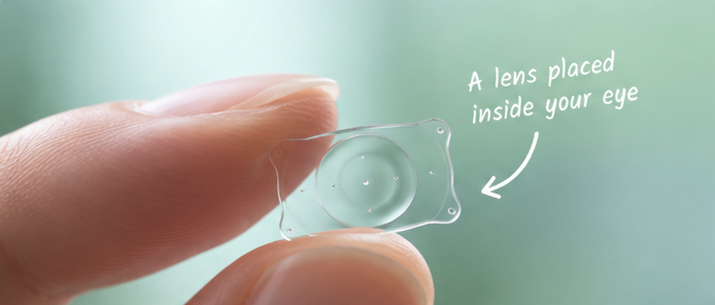
IPCL may suit you more if...
- You have very high myopia or significant astigmatism
- Your cornea is thin or not ideal for laser treatment
- You want to preserve your cornea and natural lens
- You are comfortable with a phakic lens being implanted inside the eye
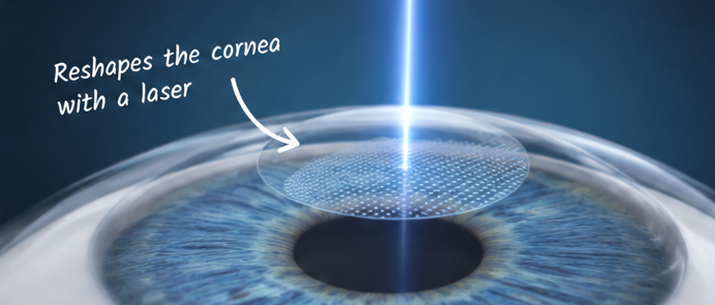
LASIK may suit you more if...
- Your prescription falls within the suitable laser treatment range
- Your corneal thickness and shape are suitable
- You prefer a treatment with no implanted lens
- Your assessment confirms you are suitable for corneal laser correction
Implantable Contact Lens Surgery Cost in Malaysia
IMPLANTABLE CONTACT LENS (IPCL)
Price confirmed after assessment
Why is IPCL pricing confirmed only after a consultation?

Complete your IPCL assessment

Discuss your lens options

Confirm your surgery price
What Happens During Your Implantable Contact Lens Surgery Journey?
1. Consultation: Confirm whether Implantable Contact Lens surgery is suitable for your eyes
What may be checked during your assessment:
- Your current vision and spectacle prescription
- Prescription stability and degree of myopia or astigmatism
- Corneal thickness and shape
- Eye pressure and the health of the front of the eye
- Retinal and optic nerve health where appropriate
- Internal eye measurements needed for phakic lens planning
2. Lens Planning: Plan the phakic lens according to your prescription and eye measurements
Your treatment planning may include:
- Confirming your refractive prescription
- Measuring the internal space where the lens will sit
- Selecting the appropriate lens power and sizing
- Reviewing your visual expectations and lifestyle needs
- Discussing medications and any pre-surgery instructions
3. During Treatment: The phakic lens is implanted while your natural lens remains in place
What the procedure is designed to do:
- Add refractive correction inside the eye
- Preserve your natural crystalline lens
- Avoid reshaping the cornea for the refractive correction
- Position the phakic lens according to your individual eye measurements
4. After Treatment: Your eye is checked and you receive instructions before going home
Your immediate aftercare may include:
- Using prescribed eye drops exactly as instructed
- Avoiding rubbing or pressing on the eye
- Protecting the eye from water, dust and accidental contact
- Following advice on sleeping, showering and screen use
- Attending your scheduled follow-up appointments
5. Recovery: Allow your vision to settle while your ophthalmologist monitors healing
What to expect during recovery:
- First 24 hours — vision may still fluctuate or feel slightly blurry while the eye begins to recover
- Early follow-up — the doctor checks healing, eye pressure and the position of the implanted lens
- Following days — continue prescribed eye drops and avoid rubbing the eye
- Returning to activities — driving, exercise, swimming and other activities should only be resumed according to your ophthalmologist’s advice
- Seek prompt advice if you notice unusual pain, increasing redness, discharge or a sudden reduction in vision
- Ongoing follow-up — your ophthalmologist may continue to monitor eye pressure, lens position and overall eye health after the early recovery period
- Long-term eye checks remain important because an implanted phakic lens stays inside the eye
Why Choose IKONIK for LASIK Eye Surgery?
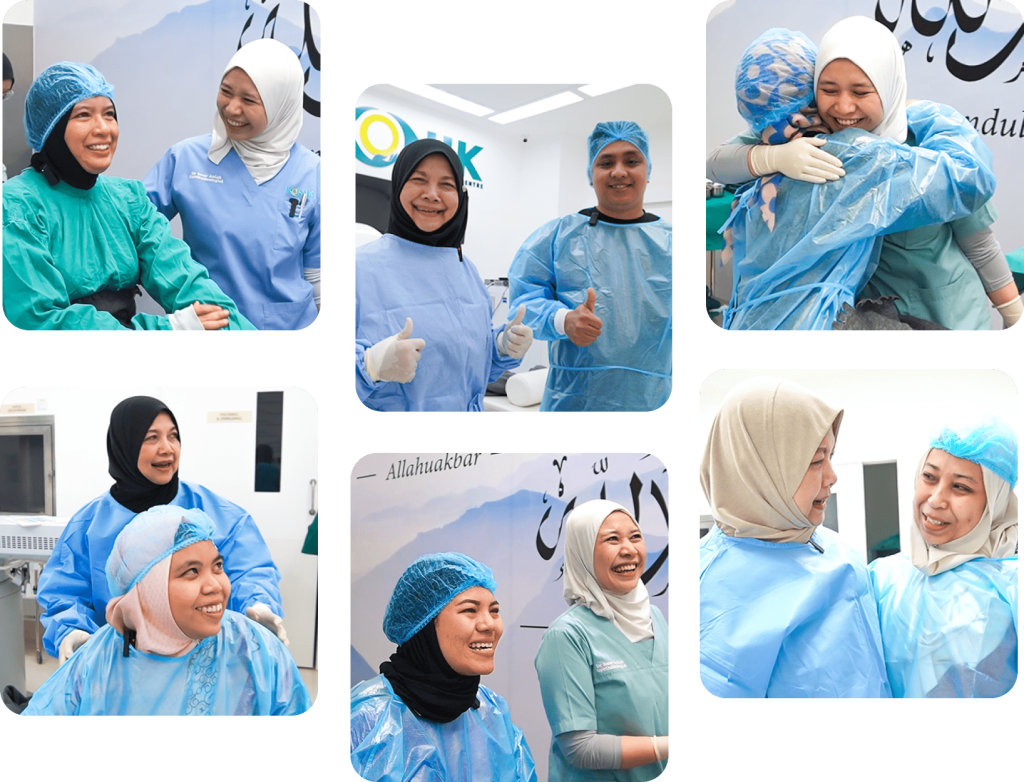
More than a decade of specialist eye care experience at IKONIK’s Bukit Jalil centre.
A 4.9-star Google rating with more than 20,000 patient reviews.
Meet the Eye Doctors Behind Your IPCL Care
Ophthalmologists providing specialist assessment, surgical planning and follow-up eye care

Dr. Noor Aniah Azmi

Datuk Prof.
Dr. Muhaya

Dr. Punithamalar Velaitham

Dr. Nazima

Dr. Rozita

Dr. Amirah

Dr. Rafidah

Dr. Stella
What IPCL Patients Say About Their Experience
Google Review
did my ipcl today very happy hope for speedy recovery..Today my 1st follow up with Dr Aniah aftr my Ipcl ..my vision getting better .f/u welbt smoothly thank u DR aniah and all the staff atas sokongan
Google Review
Google Review
Google Review
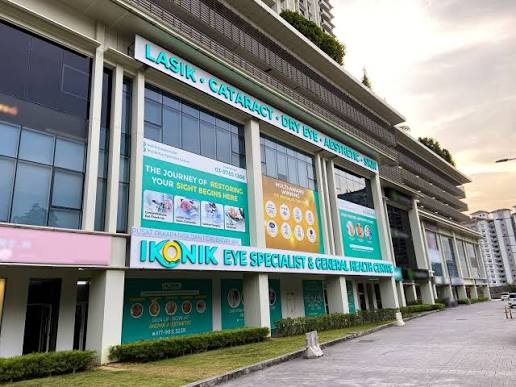
Implantable Contact Lens Surgery in Bukit Jalil, Kuala Lumpur