Lens-Based Vision Correction
Refractive Lens Exchange (RLE) in Malaysia
What Is Refractive Lens Exchange?
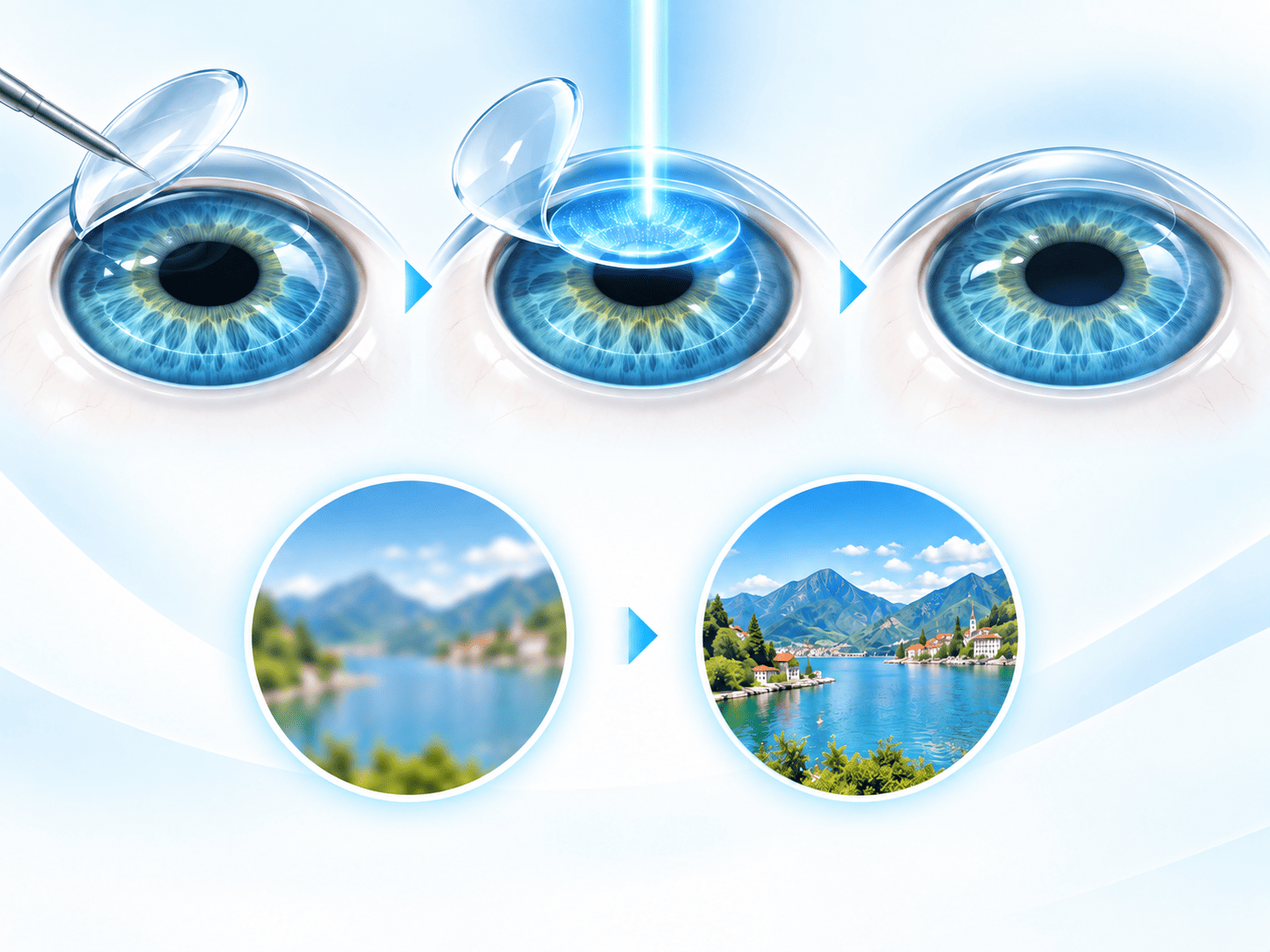
How Refractive Lens Exchange Works
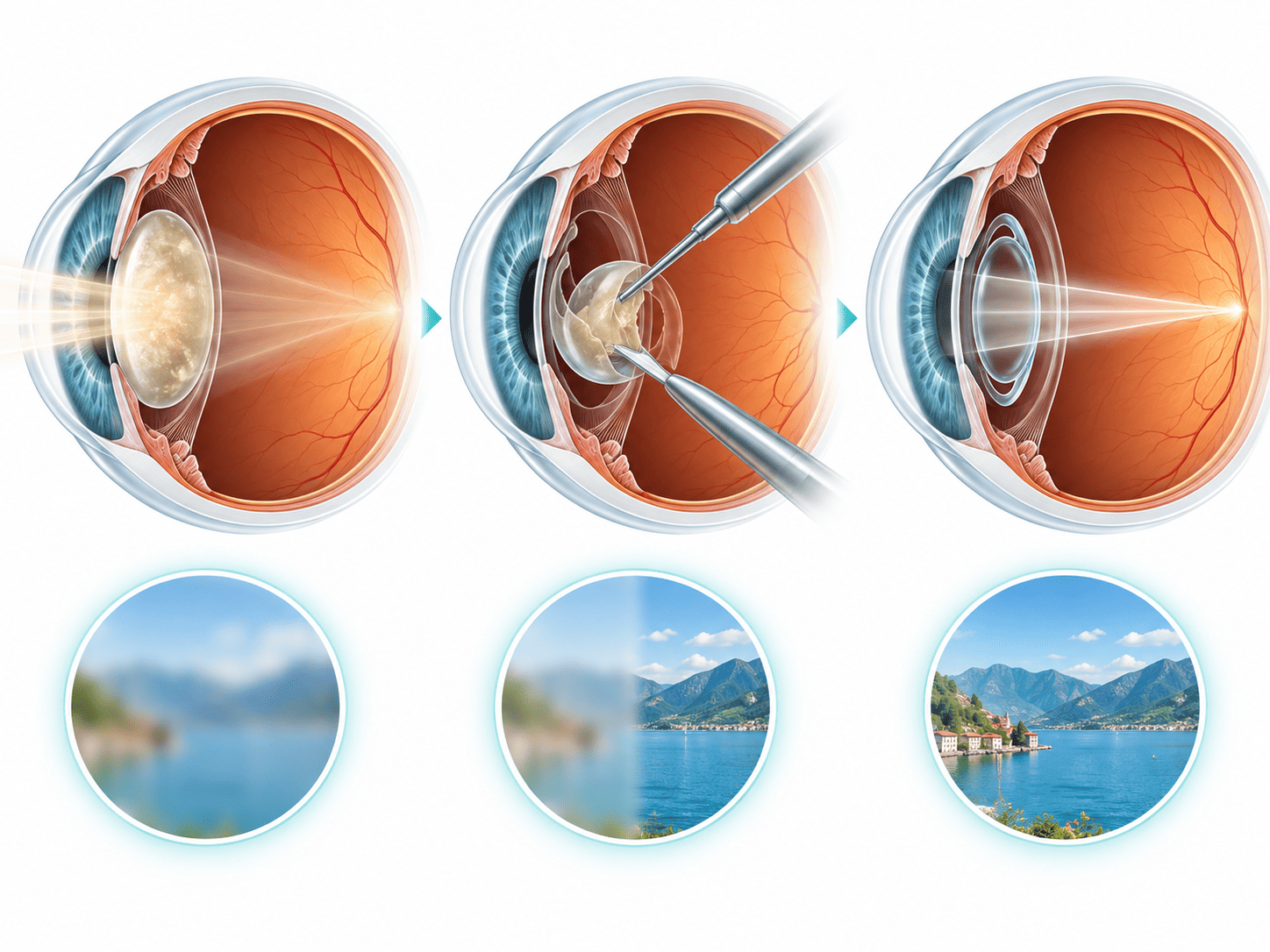
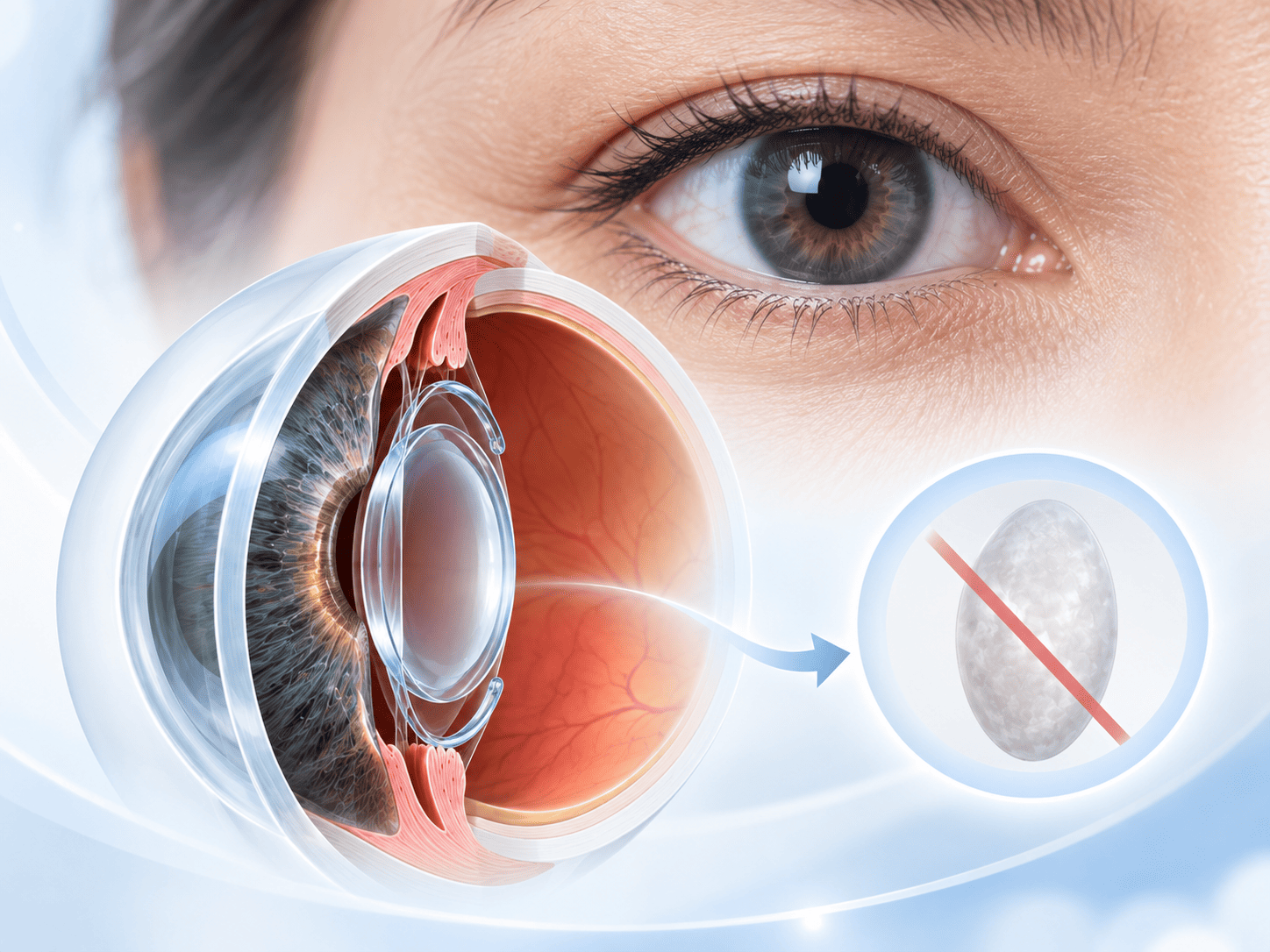
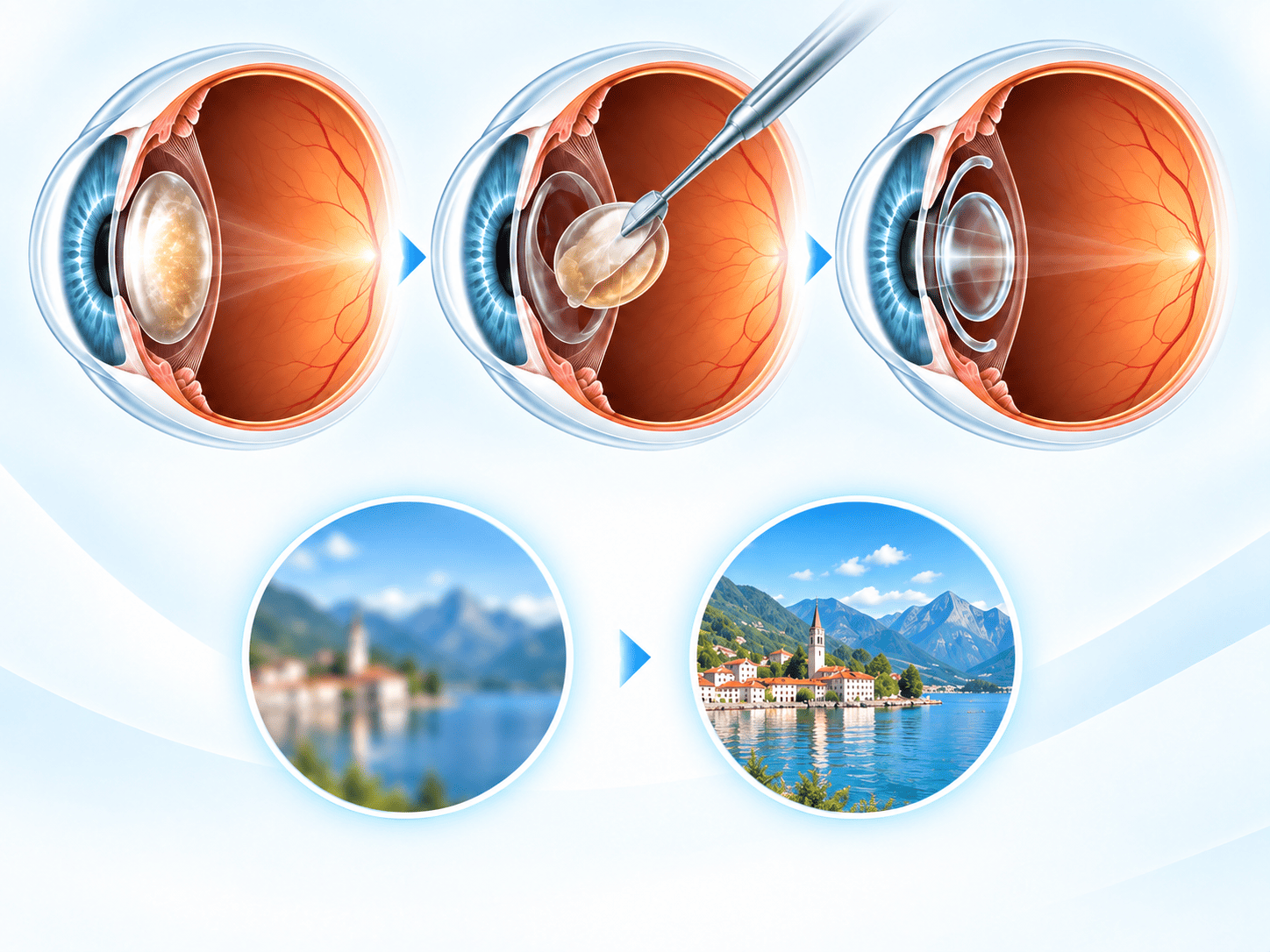
During RLE, the natural clear lens is removed and replaced with an artificial IOL selected according to your eye measurements and visual needs.
The surgical technique is very similar to cataract surgery. The key difference is that RLE replaces a clear natural lens, while cataract surgery replaces a lens that has become cloudy.
Why People Consider Refractive Lens Exchange
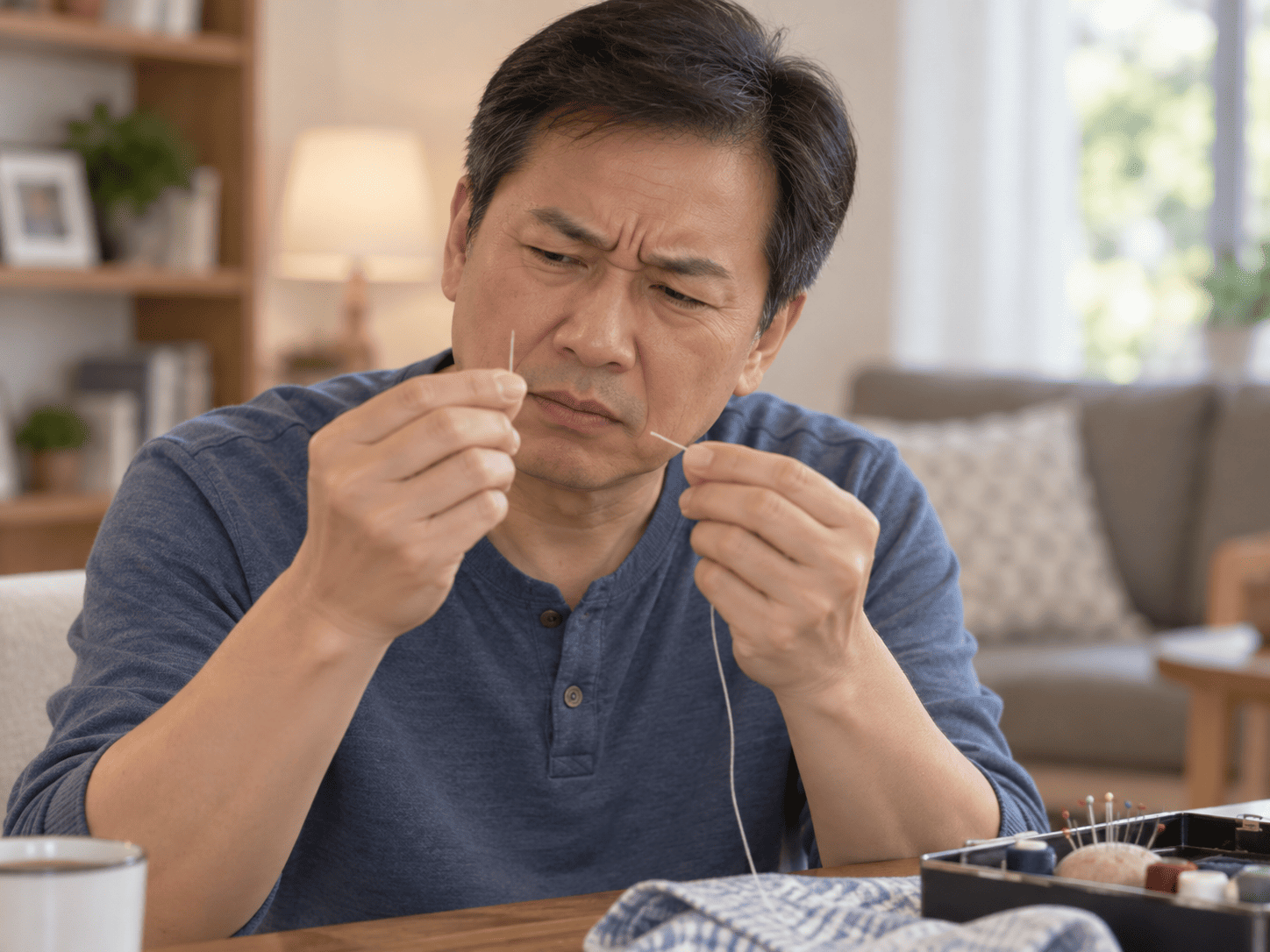
Reading Small Print Is Becoming Harder
You Keep Reaching for Reading Glasses
Travel and On-the-Go Tasks Feel More Difficult
Switching between Near and Far Vision Becomes Inconvenient
Age-Related Vision Changes Are Affecting Daily Life
You Are Looking Beyond Laser Eye Surgery
Benefits of Refractive Lens Exchange in Everyday Life
Less Dependence on Glasses for Near and Far Vision
Greater Independence in Daily Activities
Addresses Age-Related Lens Changes
No Future Cataract in the Natural Lens
Day-Care Procedure
Recovery Begins Soon After Treatment
Who May Be Suitable for Refractive Lens Exchange?
Adults in Their 40s, 50s and Beyond
Experiencing Age-Related Reading Difficulty
Stable Spectacle Prescription
Healthy Eyes
When Further Assessment May Be Needed Before Refractive Lens Exchange
Active Eye Disease or Inflammation
Retinal or Macular Concerns
Unstable Prescription
Medical History or Previous Eye Surgery
Refractive Lens Exchange vs LASIK
RLE may suit you more if...
The natural lens inside the eye is replaced with an IOL.
May help address age-related reading difficulty, with outcomes depending on the selected IOL and your eye assessment.
Cornea
May be considered when a patient is not the ideal candidate for corneal laser treatment.
Because the natural lens is replaced, a cataract cannot develop in it later.
LASIK may suit you more if...
The cornea is reshaped with a laser to correct refractive error.
Usually used to correct refractive error, but it does not replace the natural lens or prevent age-related lens changes.
Cornea
Requires suitable corneal thickness and shape before treatment can be recommended.
The natural lens stays in place, so future lens changes such as cataract may still occur over time.
A laser reshapes the cornea to correct refractive error while the natural crystalline lens remains in place.
RLE may be more suitable for patients with age-related near-vision or lens changes, while LASIK may be more suitable for patients with a healthy natural lens and a suitable cornea.
Final suitability depends on a full ophthalmologist assessment.
Refractive Lens Exchange Cost in Malaysia
RLE pricing depends on the eye assessment, selected intraocular lens and your individual surgical plan.
REFRACTIVE LENS EXCHANGE
Why is RLE pricing confirmed only after a consultation?
Complete your RLE assessment
Discuss your IOL options
Confirm your treatment fee
What Happens During Your Refractive Lens Exchange Journey?
From comprehensive assessment and IOL planning to surgery, recovery and follow-up, RLE follows a specialist-led process.
1. Consultation: Confirm whether RLE is suitable for your eyes
What may be checked during your assessment:
- Your current vision and spectacle prescription
- Prescription stability and degree of short- or long-sightedness or astigmatism
- Corneal thickness and shape
- Eye pressure and the health of the front of the eye
- Retinal and optic nerve health where appropriate
- Eye measurements needed for IOL power calculation and surgical planning
2. IOL Planning: Plan the intraocular lens (IOL) according to your eye measurements and visual priorities
Your treatment planning may include:
- Confirming your refractive prescription
- Measuring the internal space where the lens will sit
- Selecting the appropriate IOL power and visual target
- Reviewing your visual expectations and lifestyle needs
- Discussing medications and any pre-surgery instructions
3. During Treatment: Your natural clear lens is replaced with the planned intraocular lens
What the procedure is designed to do:
- Replace the natural lens with the planned intraocular lens
- Correct refractive error according to the planned visual target
- Use a lens-based approach rather than corneal laser reshaping
- Position the intraocular lens according to your individual eye measurements
4. After Treatment: Your eye is checked and you receive instructions before going home
Your immediate aftercare may include:
- Using prescribed eye drops exactly as instructed
- Avoiding rubbing or pressing on the eye
- Protecting the eye from water, dust and accidental contact
- Following advice on sleeping, showering and screen use
- Attending your scheduled follow-up appointments
5. Recovery: Allow your vision to settle while your ophthalmologist monitors healing
What to expect during recovery:
- First 24 hours — vision may still fluctuate or feel slightly blurry while the eye begins to recover
- Early follow-up — the doctor checks healing, eye pressure and the position of the implanted lens
- Following days — continue prescribed eye drops and avoid rubbing the eye
- Returning to activities — driving, exercise, swimming and other activities should only be resumed according to your ophthalmologist’s advice
- Seek prompt advice if you notice unusual pain, increasing redness, discharge or a sudden reduction in vision
- Ongoing follow-up — your ophthalmologist may continue to monitor eye pressure, lens position and overall eye health after the early recovery period
- Long-term eye checks remain important to monitor eye health, IOL position and any age-related changes affecting the retina or other eye structures.
Why Choose IKONIK for Refractive Lens Exchange in Malaysia?
Meet the Eye Doctors for Your RLE Care
Ophthalmologists providing specialist assessment, surgical planning and follow-up eye care
Dr. Noor Aniah Azmi
Datuk Prof.
Dr. Muhaya
Dr. Punithamalar Velaitham
Dr. Nazima
Dr. Rozita
Dr. Amirah
Dr. Rafidah
Dr. Stella
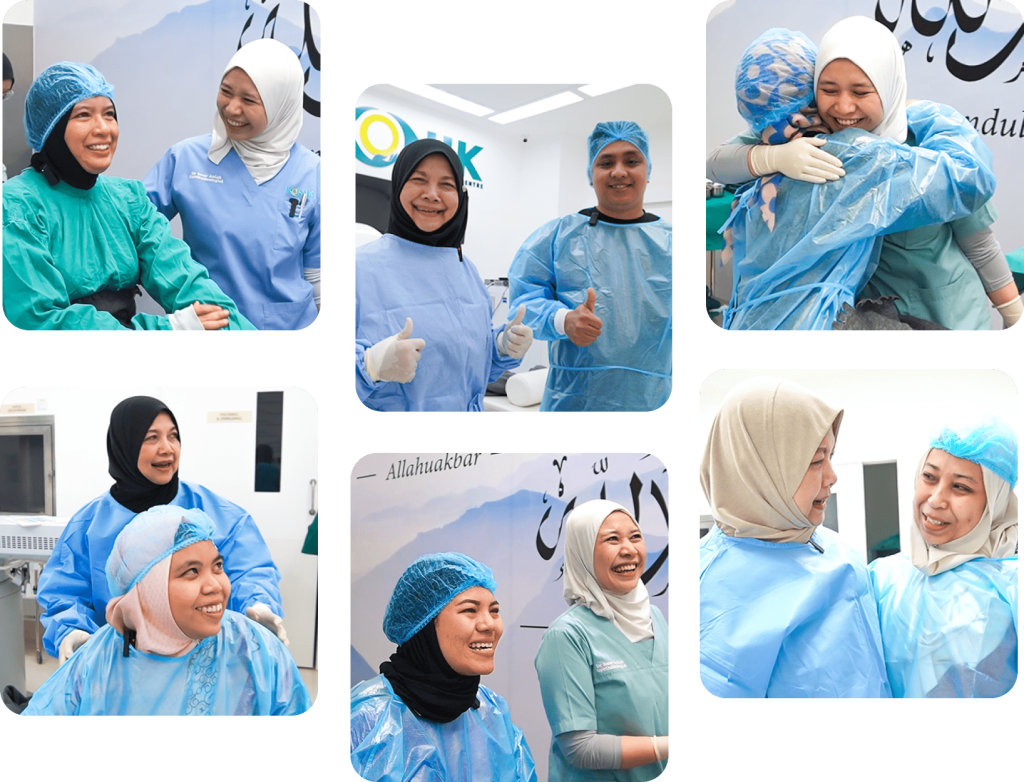
What RLE Patients Say About Their Experience at IKONIK
Read feedback from patients who have shared their experience of lens replacement treatment at IKONIK.
Google Review
My wife did lens replacement procedure. She was very pleased and had a great experience.
After treatment my wife can now see without the aid of glasses. She’s very happy with Dr Aniah professionalism and skills. Her confidence in the operation theatre makes my wife felt assured and relaxed throughout the procedure. Alhamdulillah is all we can say. Thank you Dr Aniah. To the staffs at Ikonik, keep up with the good customer service.
2nd appointment with the eye Dr was very brief. However Dr Punitha managed to comfort my wife on her post operation. Dr. was very affable and ensuring.
Google Review
nur ixroselike
2 reviews · 4 photos · a year ago
Dr Rosita was gentle, kind, and professional while my mother underwent eye treatment to replace the lens due to severe and hardened cataracts. I am truly grateful to Dato’ Prof Muhaya, who successfully consulted my mother and encouraged her to proceed with the treatment. Alhamdulillah, my mother can now see clearly again.
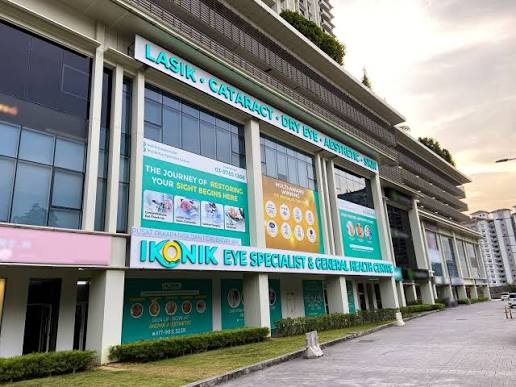
Refractive Lens Exchange in Bukit Jalil, Kuala Lumpur
Refractive Lens Exchange FAQs
Is Refractive Lens Exchange the same as cataract surgery?
Who may be suitable for RLE?
Will I still need glasses after RLE?
What results can I expect after RLE?
Can cataracts develop after RLE?
What are the potential risks and side effects of RLE?
How long does recovery take after RLE?
Some patients notice improvement relatively early, but vision may fluctuate while the eye heals. Recovery and visual stabilisation vary between individuals, so follow-up visits and your ophthalmologist’s activity advice remain important.