Specialist Cataract Care

Cataract Surgery in Malaysia

Regain clearer vision with personalised cataract surgery at IKONIK Eye Centre, supported by a comprehensive eye assessment, lens selection and specialist-led care.

What Is Cataract Surgery?

Cataract surgery treats a cloudy natural lens that can gradually affect clarity, contrast and everyday vision.

How Cataract Surgery Works

A cataract forms when the natural lens inside the eye becomes cloudy. During cataract surgery, the cloudy lens is removed and replaced with an artificial intraocular lens (IOL).

The lens selected for you depends on your eye condition, visual needs, lifestyle and overall suitability. Your ophthalmologist will assess these factors before recommending a treatment plan.

Why People Consider Cataract Surgery

As cataracts progress, changes in vision can begin to interfere with reading, driving and everyday independence.

Blurred or Cloudy Vision

Objects may look hazy, washed out or less sharp even with your usual glasses.

Glare and Halos

Bright lights, headlights or sunlight may feel more uncomfortable or create halos.

Difficulty Seeing at Night

Driving or moving around in low-light conditions may become more challenging.

Reading Becomes Harder

Print may appear less clear and you may need brighter lighting for near activities.

Colours Look Duller

Colours may appear less vivid or develop a yellowish or faded appearance.

Frequent Prescription Changes

Repeated changes in spectacle power may occur as the cataract progresses.

How Cataract Surgery Can Improve Everyday Vision

After surgery and recovery, clearer and brighter vision can make everyday life feel easier again.

Clearer Everyday Vision

After the cloudy lens is replaced, vision may feel brighter, sharper and more comfortable for day-to-day activities.

Less Disturbance from Glare

Improved visual clarity may help bright light feel less troublesome and make sunny or well-lit environments easier to manage.

More Confidence in Daily Activities

Clearer vision can support safer, more comfortable movement and help you feel more confident in everyday situations.

Enjoy Reading More Comfortably

Books, menus, mobile screens and other close-up items may become easier to see after treatment and recovery.

Brighter, More Vibrant Colours

Colours may appear clearer and more vivid once the cloudy natural lens is removed and replaced.

More Stable Vision After Treatment

Replacing the cataract-affected lens can reduce vision changes caused by a progressing cataract, although glasses may still be needed depending on the lens selected.

Who May Be Suitable for Cataract Surgery?

Cataract surgery may be suitable for people whose cataracts are affecting vision and daily activities, subject to an ophthalmologist’s assessment.

A Cataract Is Affecting Your Vision

Blur, glare, poor night vision or reduced contrast is beginning to interfere with reading, driving, work or everyday routines.

Glasses No Longer Give Enough Clarity

A new spectacle prescription may no longer provide the improvement you need because the cloudy lens itself is limiting vision.

Your Eye Health Supports Surgery

The retina, eye pressure, cornea and other eye structures are assessed to determine whether cataract surgery is appropriate.

Your General Health Is Stable

Relevant medical conditions, including blood pressure and blood glucose, should be appropriately managed before surgery.

You Are Ready to Discuss Lens Options

Your visual priorities and lifestyle needs are reviewed so the ophthalmologist can recommend a suitable intraocular lens.

You Understand the Expected Outcome

Your doctor explains what cataract surgery may improve and whether glasses could still be needed after treatment.

What May Delay or Change Your Cataract Surgery Plan

Some patients may need treatment, stabilisation or further assessment before cataract surgery can proceed.

Uncontrolled Blood Pressure or Blood Glucose

Surgery may be postponed until your medical condition is better controlled.

Active Eye Infection or Inflammation

An active eye problem may need treatment before elective cataract surgery can proceed.

Other Eye Conditions

Retinal disease, glaucoma, corneal problems or other eye conditions may affect the treatment plan or expected visual result.

Additional Medical Review Is Needed

Your ophthalmologist may request further assessment if health findings need clarification before surgery.

More Detailed Lens Planning Is Required

Some patients may need additional measurements or a specially ordered intraocular lens before a surgery date is confirmed.

The Surgical Plan Needs to Be Adjusted

Your treatment approach may be modified based on your eye anatomy, previous eye surgery or other individual considerations.

Cataract Surgery Lens Options at IKONIK

Your artificial lens is selected based on your eye measurements, visual goals and your ophthalmologist’s recommendation.
Free From Cataract

Monofocal Lens

A monofocal intraocular lens is typically selected to provide clear vision at one main focal distance.
Main focus:
Distance vision
Near activities:

Reading glasses may still be required

Planning:

Lens power is calculated from your eye measurements before surgery

Free From Cataract & Glasses

Multifocal Lens

A multifocal intraocular lens is designed to provide a broader range of vision across different distances.
Main focus:
Vision across multiple distances
Near activities:
May reduce dependence on reading glasses for suitable patients
Planning:
Suitability depends on eye health, lifestyle and visual requirements

Cataract Surgery Price in Malaysia

At IKONIK, cataract surgery starts at RM5,000 per eye. The final price is confirmed after an assessment, based on your eye condition, lens choice and surgical plan.

CATARACT SURGERY

From

RM5,000

per eye
Prices start at RM5,000 per eye. Your final treatment fee is confirmed after the cataract assessment and lens planning.

Why is the final price confirmed only after a consultation?

Cataract surgery involves replacing the cloudy natural lens with an intraocular lens. The final fee can vary according to the lens option and surgical plan recommended for your eyes.

Complete your eye assessment

Your cataract, eye health and vision are evaluated in detail.

Discuss your lens option

The ophthalmologist explains your lens choices and the visual considerations for your needs

Confirm your surgery price

The final fee is provided based on the lens and surgical plan recommended for you.

What Happens During Your Cataract Surgery Journey?

A simple overview of what happens before, during and after cataract surgery.
1. Consultation: Confirm the cataract and understand how it is affecting your vision
Your ophthalmologist reviews your symptoms, vision and overall eye health to confirm whether a cataract is present and whether surgery should be considered.

What may be checked during your cataract consultation:

  • Your current vision and spectacle prescription
  • The severity and location of the cataract
  • Eye pressure and the health of the front of the eye
  • Retinal and optic nerve health where appropriate
  • Biometry and other measurements needed for intraocular lens planning
  • How the cataract is affecting reading, driving and everyday activities
Your eye measurements and visual priorities are reviewed before the surgeon recommends a suitable intraocular lens and confirms the surgical plan.

Before cataract surgery, your care team may discuss:

  • Whether a monofocal or multifocal lens may be considered
  • The visual distance you would most like to prioritise
  • Your medical conditions, medications and previous eye history
  • Any pre-operative eye drops or clinic-specific preparation
  • Transport arrangements and instructions for the day of surgery
Your eye is prepared for surgery and the cloudy natural lens is carefully removed. The selected intraocular lens is then placed inside the eye to take over the focusing role of the natural lens.

How long does cataract surgery take?

The surgical procedure itself is generally relatively brief, while additional clinic time is required for preparation, anaesthesia, positioning and post-operative checks. Your IKONIK care team will explain the expected timing for your surgery.
After surgery, your eye is reviewed before you leave the clinic. You will receive the prescribed eye drops, an eye shield if required and a follow-up schedule.

Your immediate aftercare may include:

  • Using the prescribed eye drops as instructed
  • Avoiding rubbing or pressing on the operated eye
  • Protecting the eye from water, dust and accidental contact
  • Following the clinic’s instructions on sleeping position and eye protection where applicable
  • Attending your scheduled follow-up review
Vision may improve quite quickly for some patients, but it can still feel blurry, fluctuate or appear different while the eye adjusts to the new intraocular lens. Recovery varies from person to person.

What to expect during recovery:

  • First 24 hours — vision may still feel blurry or fluctuate while the eye begins to recover
  • Early follow-up — the doctor checks healing, eye pressure and the position of the intraocular lens
  • Following days — continue prescribed eye drops and avoid rubbing or pressing on the eye
  • Returning to activities — driving, exercise, swimming and other activities should only be resumed according to your ophthalmologist’s advice
  • Ongoing follow-up — further visits may be recommended to monitor healing and your visual outcome
  • Seek prompt advice if you notice unusual pain, increasing redness, discharge or a sudden reduction in vision

Why Choose IKONIK for Cataract Surgery?

Experience, specialist care and patient confidence matter when choosing cataract surgery.
More Than a Decade of Eye Care Experience
0 +
More than a decade of specialist eye care experience at IKONIK’s Bukit Jalil centre.
Cataract & Retina
0 +

More than 13,000 cataract and retina cases handled at IKONIK.

Patients Served
0 +
More than 158,000 patients have received eye care services at IKONIK.
20,000+ Google Reviews
0 ★
A 4.9-star Google rating with more than 20,000 patient reviews.

Meet the Eye Doctors for Your Cataract Surgery Care

Ophthalmologists providing specialist assessment, surgical planning and follow-up eye care

IKONIK’s ophthalmology team includes doctors with experience in cataract, refractive, retinal and general eye care. During a consultation, the doctor reviews your eye condition, explains the cataract findings and discusses the treatment plan based on your individual needs.


What Cataract Surgery Patients Say About Their Experience

Read about cataract surgery experiences shared on Google by IKONIK patients and their family members.

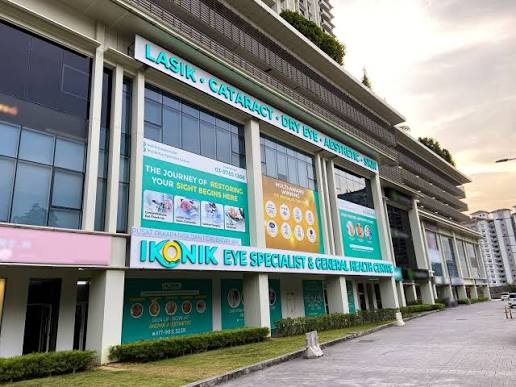
Cataract Surgery in Bukit Jalil, Kuala Lumpur

Visit IKONIK in Bukit Jalil for a cataract assessment, specialist consultation, lens planning and cataract surgery care.
Location
9, 10, 11, Residensi Park Bukit Jalil, Persiaran Jalil Utama, 57000 Bandar Bukit Jalil, Kuala Lumpur
Operating Hours
7:30am – 8:00pm (Monday – Saturday)

Cataract Surgery FAQs

Common questions patients ask before and after cataract surgery.
How soon can cataract surgery be performed after my assessment?
If you are medically suitable and the required lens and surgical slot are available, surgery may be arranged promptly. Some customised lenses may require additional ordering time.
IKONIK’s current guidance states that fasting is generally not required and regular medications should usually be taken, particularly for diabetes and hypertension. Follow the specific instructions given by your surgeon.
The cataract itself does not return because the cloudy natural lens is removed during surgery. However, some patients may later develop posterior capsule opacification (PCO), where the membrane behind the artificial lens becomes cloudy. Your ophthalmologist can assess this if vision becomes hazy again after surgery.
Whether both eyes are treated on the same day depends on your eye condition, overall health and the surgeon’s treatment plan. In many cases, each eye may be scheduled separately so healing and vision can be reviewed before the second eye is treated. Your ophthalmologist will advise the most appropriate timing for you.
Like any surgical procedure, cataract surgery has potential risks and complications. These may include infection, inflammation, changes in eye pressure, swelling, retinal complications, lens-position concerns or reduced vision. Clouding behind the artificial lens can also occur later. Your ophthalmologist will assess your eyes and explain the risks most relevant to your condition before treatment.
This depends on the intraocular lens selected, your eye condition and your visual goals. Some patients may still need glasses for reading, distance vision or specific activities after surgery. Your ophthalmologist will discuss the expected visual outcome with you when planning your lens.

Ready to Discuss Your Cataract Surgery Options?

Arrange a comprehensive cataract assessment to understand your eye condition, lens options and whether surgery may be appropriate for you.
Call UsCall UsEmail UsEmail UsEnquiry NowEnquiry Now